

Scam-Detector.com Review – Why This Website Is Not Legit and Should Be Avoided
Introduction: The Quick Verdict
Short answer: Scam-Detector.com is not legit and should be avoided. After testing the site, analyzing its claims, and checking how it works, multiple red flags show that the platform is unreliable.
This article explains exactly why the site fails basic trust checks and offers practical steps you can take now if you interacted with it, plus safer alternatives.
Quick Facts About Scam-Detector.com
- Domain Age: Relatively recent compared to established reputation checkers.
- Transparency: No verifiable company address or public ownership records.
- Algorithm Claims: Unexplained proprietary scoring with no validation.
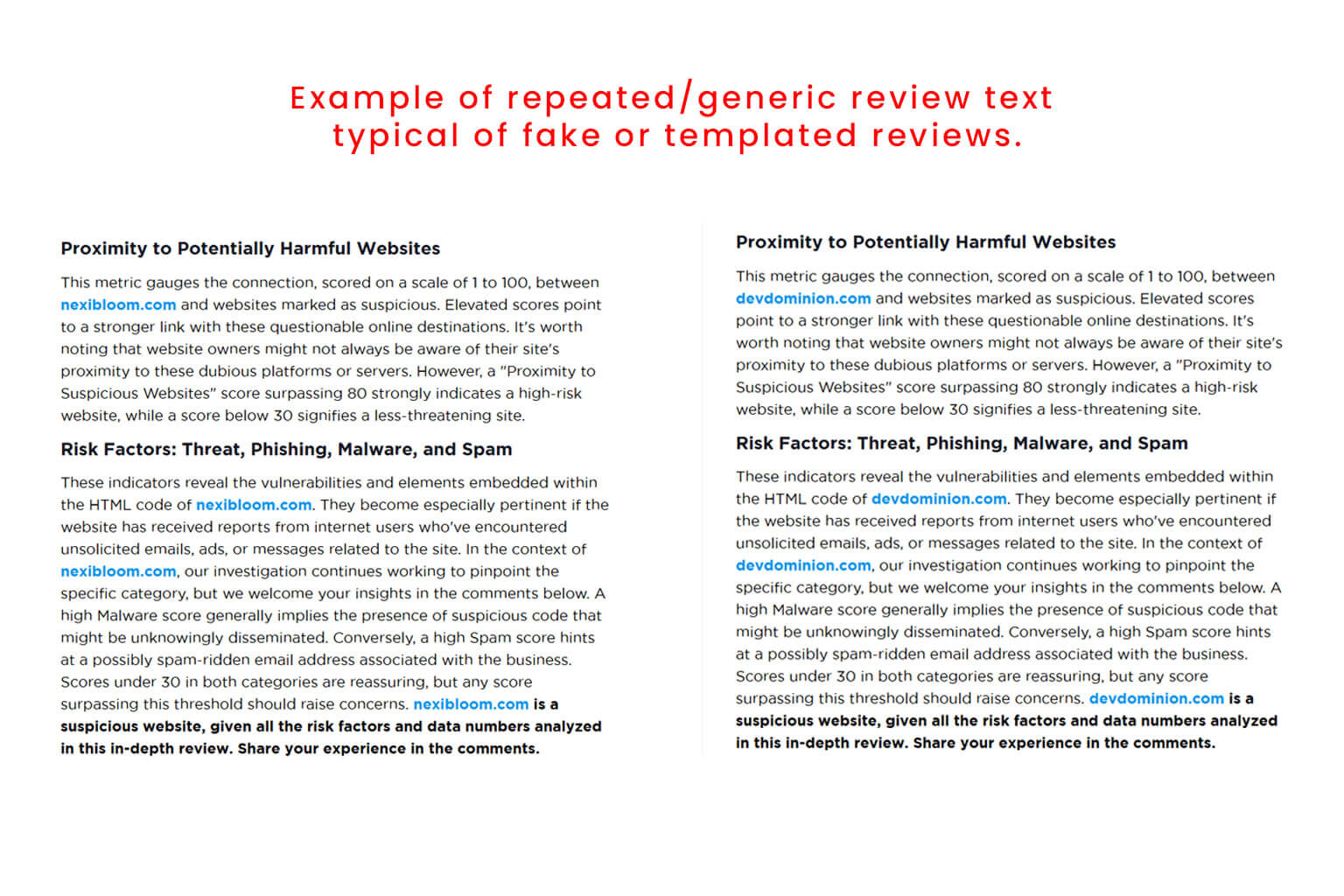
- Reviews: Many appear templated, vague, or duplicated.
- Contact Information: No reliable support channels; contact forms appear incomplete.
- Monetization: Affiliate-driven without clear disclosure.
Why “Legit or Scam” Reviews Matter
Consumers search “legit or scam” to get fast, evidence-backed answers before handing over money or personal information. If a site claiming to check scams is itself untrustworthy, it becomes part of the problem rather than the solution.
For government-backed guidance on scam recognition and reporting, see the FTC article on phishing and scams.
Methodology: How We Tested Scam-Detector.com
We evaluated the site using standard consumer-protection and cybersecurity checks:
- WHOIS & domain age lookup
- SSL certificate verification
- Contact & policy review (refund, privacy)
- Third-party scans (URLVoid, ScamAdviser)
- Review content analysis for signs of fakes or duplicates
- Search of consumer complaint databases and forums
These steps are reproducible — you can perform them yourself to validate our findings.
The Red Flags That Prove Scam-Detector.com Is Not Legit
Fake or Recycled Reviews
Legitimate review platforms feature detailed, timestamped user accounts. Many entries on Scam-Detector.com are generic, lacking transaction details, and often repeat the same phrasing across multiple entries — a classic sign of templated or fake reviews.
Lack of Contact or Verified Ownership
Trustworthy companies publish verifiable contact info and ownership details. Scam-Detector.com hides ownership via privacy services and fails to provide corporate contact points that can be validated.
Suspicious Domain Signals
WHOIS data indicates a recent registration and domain privacy. While privacy protection can be legitimate, when combined with other issues it becomes a concerning pattern.
Unverifiable Algorithms
The site claims to compute trust scores with a proprietary algorithm but gives no details on inputs, weighting, or validation. Without transparency, these numbers are meaningless and can mislead users.
Business Model Concerns
Scam-Detector.com appears affiliate-driven yet fails to disclose relationships. Lack of disclosure when financial incentives exist is a significant ethical and regulatory concern.
Short Verdict Recap
Bottom line: the combination of opaque scoring, templated reviews, hidden ownership, and missing contact channels makes Scam-Detector.com unreliable. If you've given sensitive information to the site, take immediate steps: contact your bank, change passwords, and monitor accounts closely.
To report scams in the U.S., start with USA.gov’s reporting page.
How Scam-Detector.com Claims to Work - and What We Found
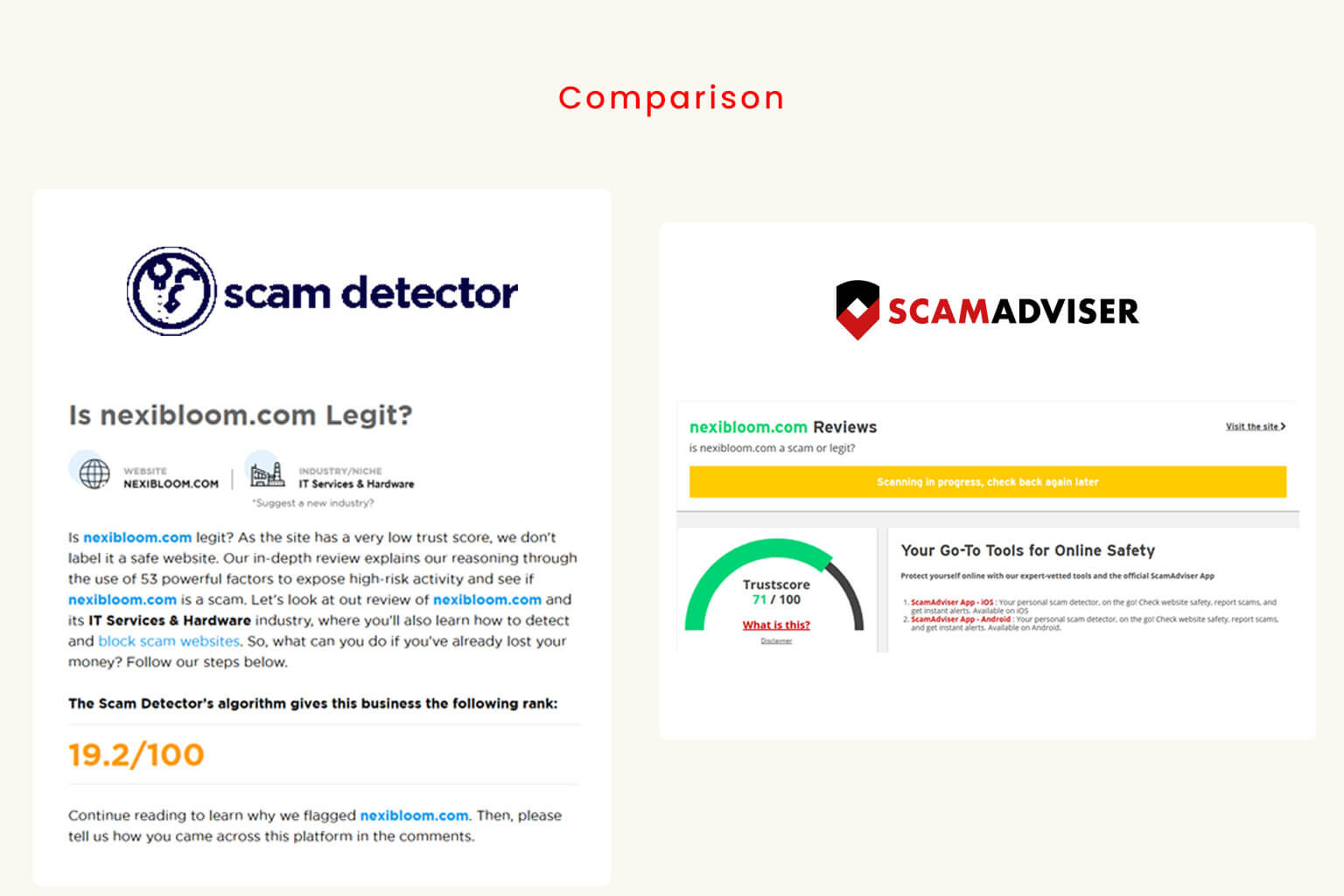
The site markets itself as an algorithmic reputation checker: paste a URL and receive a trust score based on reviews, security checks, and online presence. However, the outputs were inconsistent during our tests — some legitimate sites scored poorly while some known scams scored ambiguously well.
This inconsistency indicates the scoring likely relies on shallow signals or scraped content without contextual analysis.
Are Automated Scam Checkers Reliable?
Automated tools can be useful when their methods are transparent. Services like URLVoid and ScamAdviser show their data sources and limitations. By contrast, Scam-Detector.com does not disclose methodology, which is the key difference between a helpful checker and a misleading one.
How to Verify Any Website Is Legit - Practical Checklist
- WHOIS & domain age: Use an ICANN/WHOIS lookup.
- SSL certificate: Check for valid certificate and domain match.
- Contact details: Look for real addresses and phone numbers and test them.
- Policies: Read refund and privacy policies for clarity.
- Third-party reputation: Scan with URLVoid.
- Independent reviews: Check Trustpilot, BBB, or consumer forums.
- Payment options: Be wary if only crypto or wire transfers are available.
- Customer support test: Send an inquiry and verify response quality.
Real User Complaints & Patterns
Forum searches show users reporting arbitrary or contradictory scores from Scam-Detector.com, along with frustration that the site doesn’t respond to queries. Legit sites usually engage with user complaints; absence of response is another warning sign.
Alternatives to Scam-Detector.com
Prefer these more transparent and reputable tools:
- Scan a domain with URLVoid - aggregate blocklist checks and reputation signals.
- ScamAdviser - combines automated signals and community reports.
- Report a scam (USA.gov) - official reporting and guidance for U.S. consumers.
How Sites Like This Could Improve
To become credible, a reputation-checker must:
- Publish algorithm inputs and methodology.
- Allow independent audits of scoring.
- Display verifiable ownership and contact details.
- Disclose affiliate relationships and monetization.
- Respond publicly to user concerns.
Conclusion & Final Verdict
Scam-Detector.com claims to protect users but lacks the transparency and accountability required for that role. We recommend avoiding the site and relying on well-known, transparent tools and official government resources instead.
If you have used Scam-Detector.com and need help, contact your financial provider and report the site to official channels.


